Preparing a loved one for a short-term rehabilitation stay can be both an emotional and challenging experience. Whether it's post-surgery recovery, physical therapy, or other rehabilitative needs, understanding the process and how to ease the transition is essential. In this article, we'll explore effective strategies to prepare your family member for their stay in a rehabilitation center Rochester NY, ensuring they feel supported and cared for during this time.
Understanding Short-Term Rehab: What to Expect
What is Short-Term Rehab?
Short-term rehab refers to specialized care that assists individuals in recovering from surgery, illness, or injury. It typically lasts anywhere from a few days to several weeks and focuses on regaining independence through physical, occupational, or speech therapy.
Why Choose Rehabilitation Centers?
Rehabilitation centers in Rochester NY provide structured environments where trained professionals deliver focused care. Unlike long-term care facilities or nursing homes Rochester NY, short-term rehab is specifically designed for recovery and rehabilitation.
Tips for Preparing Your Loved One for a Short-Term Rehab Stay
Communicate Openly
Discussing the upcoming stay openly with your loved one can alleviate anxiety. Share what they can expect in terms of daily routines, therapies offered, and the importance of adhering to their treatment plan.
Gather Necessary Documentation
Ensure all medical documents are organized and ready for the rehabilitation center staff. This includes discharge summaries from hospitals, medication lists, and any relevant medical histories that will inform their care.
Personalize Their Space
Packing familiar items from home can create a comforting atmosphere. Think about including favorite blankets, photographs, or books that represent home life.
Plan Visits Wisely
Frequent visits from family can boost morale but may also overwhelm your loved one if not planned carefully. Discuss with them about how often they would like to see family members during their stay.
Navigating the Admission Process
Understanding Admission Requirements
Each rehabilitation center will have its own set of admission requirements. Generally speaking, you'll need to provide insurance information and complete necessary consent forms. Familiarizing yourself with these before arrival can smoothen the process.
The Role of Insurance
Understanding your insurance coverage is crucial when planning a stay at a skilled nursing facility Rochester NY or short term rehab Rochester NY. Contact your provider ahead of time to clarify benefits related to rehabilitation services.
Preparing Physically and Emotionally
Emotional Preparation
For many seniors entering rehab, anxiety can be significant. Reassure them that it’s okay to feel apprehensive about this new chapter in their care journey.
Physical Preparations
Encourage your loved one to prepare physically by engaging in light exercises recommended by their physician before entering rehab if possible. This helps in maintaining strength and mobility.
Packing Essentials for Rehabilitation
Clothing Essentials
Comfortable clothing is key during rehab stays. Include items like pajamas, loose-fitting outfits suitable for therapy sessions, slippers with non-slip soles, and undergarments.
Personal Care Items
Pack essential toiletries such as toothbrushes, toothpaste, deodorant, shampoo, conditioner—all items that help maintain personal hygiene while allowing them some familiarity.
Choosing the Right Rehabilitation Center
Researching Facilities
When looking for the best nursing homes in Rochester NY or rehabilitation centers tailored to short-term needs, consider factors such as location convenience for family visits and facility reviews online.
Touring Facilities
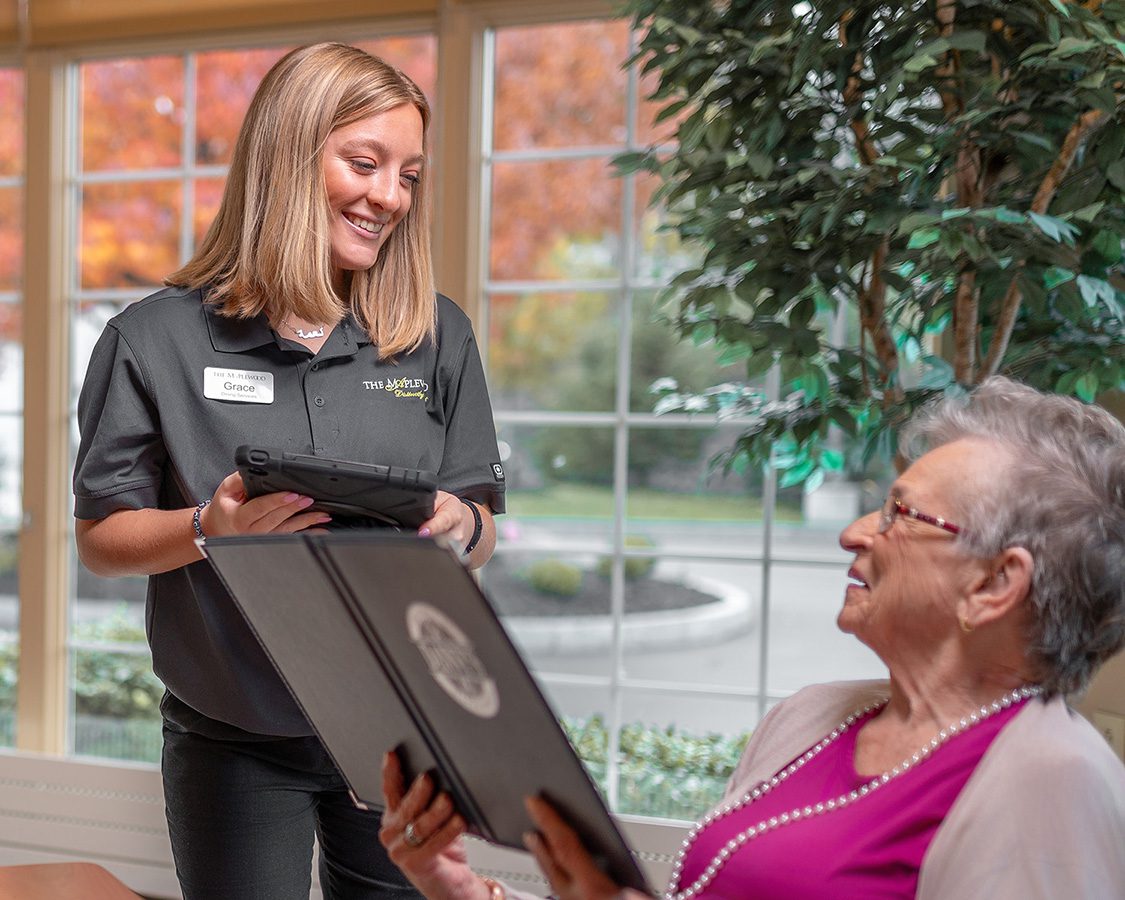
Before committing to a specific rehabilitation center Rochester NY or skilled nursing facility Rochester NY visit potential options with your loved one. This allows you both to assess comfort levels within each environment.
Engaging with Staff
Meet Key Personnel
Upon arrival at the short-term rehab facility; take time to meet key personnel—therapists who will be involved in daily care—as well as nurses who will monitor health progress closely throughout the stay.
Establishing Open Lines of Communication
Encourage regular check-ins between staff members regarding progress updates on therapy sessions and any concerns regarding medications or health changes.
Setting Goals Together
Collaborative Goal-Setting
Encourage your loved one https://telegra.ph/Navigating-the-World-of-Skilled-Nursing-in-Rochester-NY-06-30 to participate actively in setting realistic goals with their therapists upon admission into short term rehab Rochester NY facilities—ensuring they remain focused on improving mobility or independence after discharge.
Maintaining Connection With Home
Incorporating Technology
Introduce your loved one to video calls or messaging apps so they can communicate easily with friends and family during their stay—this helps alleviate feelings of isolation often felt after transitioning into new environments.
Planning Discharge Aftercare
Creating an Aftercare Plan
As discharge approaches from a senior care facility Rochester NY; work closely with healthcare providers on creating an aftercare plan that outlines follow-up appointments along with any necessary home modifications needed post-rehab.
Addressing Common Concerns About Rehab Stays
What If My Loved One Feels Lonely?
Loneliness is common in rehabilitation settings but residents can also engage socially through group activities organized by staff members—encouraging socialization among peers fosters community spirit within facilities.
How Can We Ensure Quality Care?
Regular communication between family members visiting frequently creates accountability among caregivers—they’ll appreciate knowing that families are involved monitoring overall satisfaction with services provided during stays at short term rehab centers.
Frequently Asked Questions (FAQs)
What should I pack for my loved one's short-term rehab stay? - Pack comfortable clothing suitable for therapy sessions; personal hygiene products; favorite items from home like photos or books; prescribed medications. How do I choose the right rehabilitation center? - Research facilities online based on reviews; visit potential options together; consider location convenience; ask about staff credentials. Can I visit my loved one during rehab? - Yes! Regular visits are encouraged as long as they're planned carefully—not overwhelming—helping maintain emotional support throughout recovery periods. What types of therapies are offered at short-term rehabs? - Expect physical therapy focused on mobility improvements; occupational therapy aimed at daily living skills enhancement alongside speech-language pathology if required post-stroke situations arise. Will my insurance cover short-term rehab services? - Coverage varies based on policies—contact providers ahead of time clarifying specifics related directly towards rehabilitative care costs incurred during stays at skilled nursing facilities. How long does someone typically stay in short-term rehab? - Stays usually range between two weeks up until four weeks depending upon individual circumstances like surgical recoveries or pre-existing conditions requiring intensive supportive measures being implemented regularly within those timeframes outlined above!Conclusion: Embracing Change Together During Recovery Journeys
Preparing your loved one for a short-term rehab stay may seem daunting initially—but fostering open communication leads toward understanding while enhancing emotional well-being throughout recovery processes experienced together! By organizing practical elements such as packing essentials ahead-of-time along establishing clear discharge plans collaboratively ensures smoother transitions into new environments whilst maximizing opportunities afforded through professional rehabilitative supports available across various types senior living arrangements found within communities nationwide (including options like palliative care Rochester NY).
Remember—you’re not alone on this journey! Supportive networks exist around each corner whether it be through elder care resources available locally finding solutions tailored specifically towards those needing respite assistance delivering meaningful outcomes nurturing lives impacted by temporary challenges faced along way!